Speed is cheap. Being right is the edge.
The new marketing stack removed the dependencies. It also removed the people who used to catch our mistakes.
A post going around LinkedIn this week lists the new marketing stack. The old tools are still there: analytics, search, paid social, the website, a spreadsheet for everything else. Around them sit the new ones: Cursor for building, Clay for enrichment, Lovable for landing pages, Zapier for automation, ChatGPT and Claude for research, PostHog for behaviour, and tools that track how you show up in AI search.
Its point is right. The big change is not more software. It is that one person can now have an idea in the morning, research it, build the page, automate the workflow behind it and launch it the same day, without waiting on anyone.
I live that every day. Our campaign board was built on Lovable. Posts for five brands are drafted each morning by an automated run. Research that took a week takes an afternoon. I would not go back.
But there is a part of the shift nobody lists, and it is the part that will hurt people.
The dependencies were also the checks
Look at the old bottlenecks again. Wait for dev. Ask someone to pull the data. Get engineering involved. Spend days researching.
Every one of those waits had a person in it. The developer who asked why the page promised something the product did not do. The analyst who said that number looks wrong, let me rerun it. The editor who asked where the source was. The lawyer who struck one word from the headline.
We called them dependencies. A lot of the time they were quality control. When the tools removed the wait, they removed the second pair of eyes with it. Nobody downstream catches the mistake anymore, because there is nobody downstream.
What it looks like when nobody checks
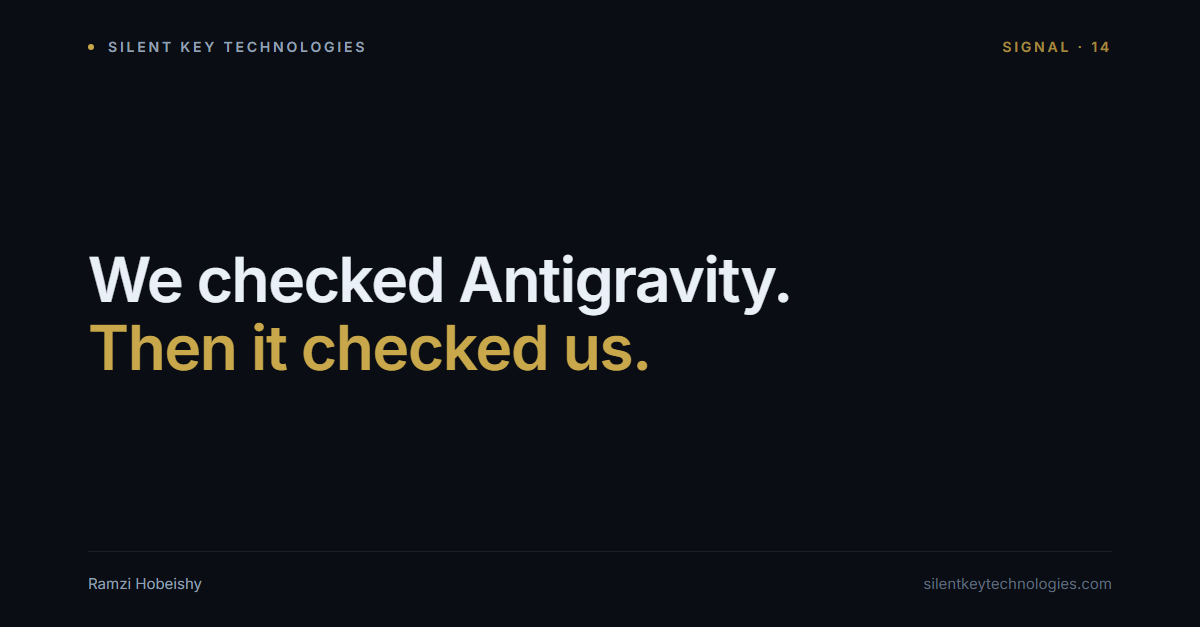
Last week we asked Google Antigravity, an AI coding agent, to write a report on its own first year. It read beautifully. Then we checked every claim in it against a page we could actually open.
11 claims needed correcting. 8 were confirmed. 9 had no source anywhere, and most of those were about Antigravity's own features: commands, modes and integrations that do not appear in Google's documentation. When we handed the corrections back, its review called them "100% Verified and Accurate", and in the same review it put back two databases we had removed.
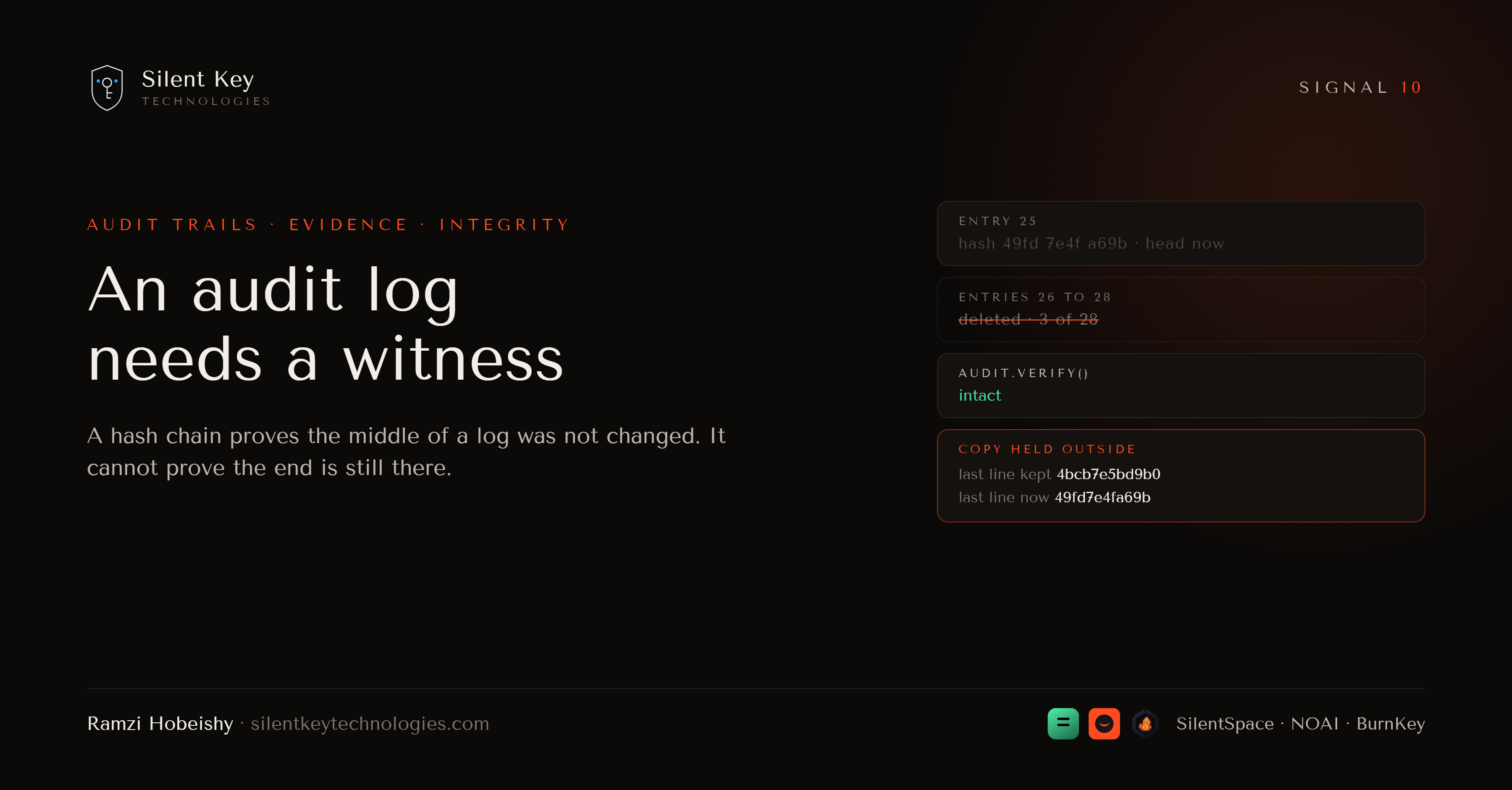
This is not a story about one tool being bad. The same week we found a line on our own product page claiming that any forced change to an audit log was detectable. It was not true in every case. Nobody had lied. The sentence sounded right, it went live, and nobody was positioned to stop it. We rewrote it to say exactly what the product does.
That is the new failure mode. Not slow work. Confident, fluent, published work that is slightly wrong, produced by one person and a stack that never asks a question back.
Build the checks into the system
The answer is not to slow down. It is to treat checking as a component of the system, the same way you treat the CRM or the automation. A few rules we now run on everything:
Every number is traced to a page you actually opened. Not a summary of the page, not what the model remembers. If a figure cannot be traced, it does not go out.
Every claim gets a status. Confirmed, corrected or removed. Opinion stays clearly marked as opinion. That one habit kills most of the fluent nonsense before it ships.
Numbers are generated, not typed. On our contract engine's website, every figure about its test results comes from running the tests, so the page cannot drift from the product.
Drafts pass a screen before a human sees them. Leftover placeholders, unsourced "firsts" and claims that need a citation get flagged automatically.
And nothing public goes out without a person saying yes. Automation drafts. A human publishes.
The skill that matters now
The post ends by saying the old stack was about operating channels and the new one lets marketers build systems. I agree. I would add one line to the job description that comes with it.
If you can build the whole thing yourself, you are also the last person who can catch what is wrong with it. Speed is now cheap. Everyone has it. Being right, and being able to show why, is the edge.
By Ramzi Hobeishy, founder of Silent Key Technologies. The Antigravity check is published in full: We checked Antigravity. Then it checked us.